Berries and Butter
Isn’t it interesting that great things are born of both necessity and abundance, disaster and surplus?
The Great Kantō Earthquake, an extreme disaster that struck the Kantō region of Japan on September 1st, 1923, caused widespread damage in that area. While unquestionably tragic, this event also resulted in highly skilled ramen chefs, who had previously been concentrated in the Kantō region, relocating to other parts of the country, spreading the love of ramen and allowing for the development of local and regional variations. These variations would become beloved traditions, spreading even further across the world over time.
French toast, a dish we know here in the United States as a decadent breakfast food, originated as a way to use up stale bread without wasting it. It was a cost-saving measure that morphed into a treat. Though the origins of this dish are not actually French (many agree the recipe comes from Ancient Rome), the French have a beautiful way of referring to it that truly captures the duality of the transformation from not-so-desirable to desirable: pain perdu or pain doré. That’s lost bread or golden bread. Both names are equally used and equally accurate.
Pie has many histories, as it exists in many cultures throughout the world, depending on how broad your definition of pie is – the subject of many heated, yet humorous debates. We believe that generosity is best, especially when it comes to pie, so we’re including anything with pie in its name and/or anything that involves crust and filling. Some of the earliest evidence of pie comes from Ancient Sumer and Egypt. A recipe for chicken pie was recorded on a Sumerian tablet, dated around 2000 BCE, and depictions of pie can be seen on the walls of the tomb of Pharaoh Ramesses II, created sometime during his reign, which was between 1304 to 1237 BCE.
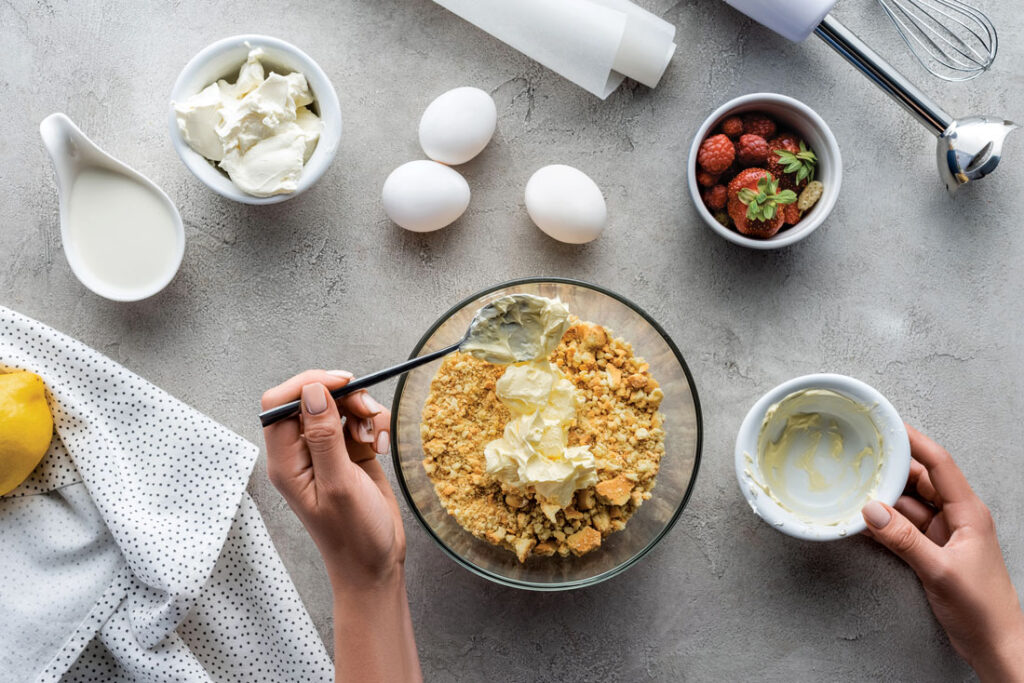
Throughout most of history, pie crusts were as simple as possible – just flour, water, and salt – creating a vessel of necessity to facilitate easier travel. Some pies even had crusts so hard, they really weren’t meant for eating at all. In Tudor England, these crusts were called coffyns and sometimes needed to be sawed open. That probably doesn’t sound too appealing, but there was an apparently well-known slogan: “If it’s good, tis better in a Coffyn,” which I do think is as good as any slogan written today. Most pies were savory and filled with whatever was on hand that needed to be eaten, which is one possible reason the food ended up with the name pie. The word pie, used as early as the 1500s and in an agricultural context, refers either to a pile of root vegetables or the layers of straw piled on top of the root vegetables to preserve them over the winter.
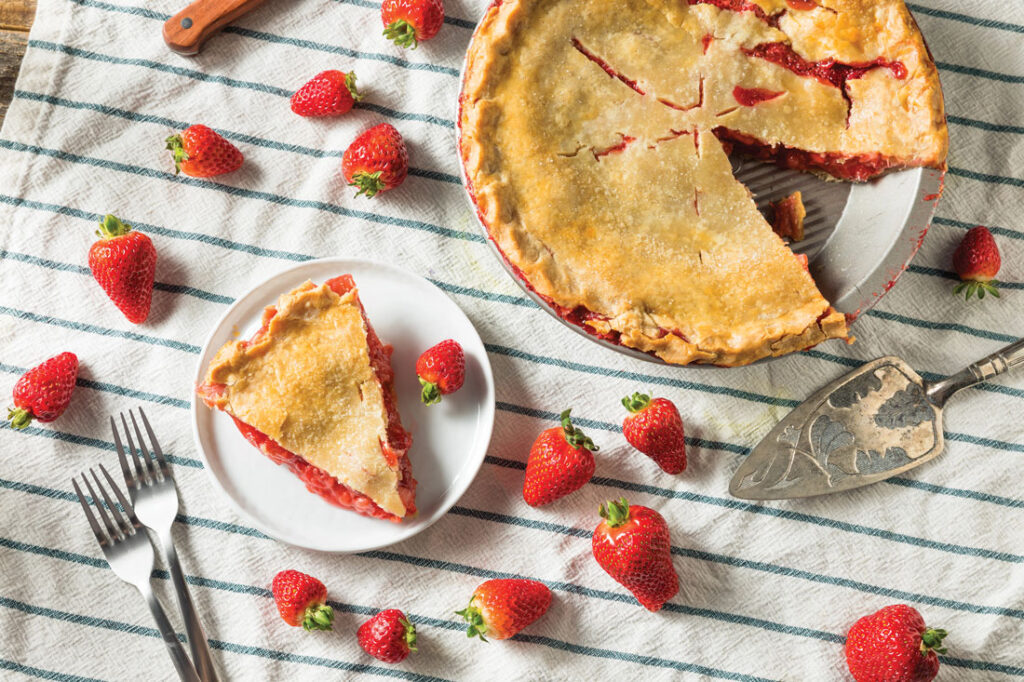
Even as pie developed into the softer, flakier, dessertier versions we know today (the Greeks beat everyone on the flaky-crust front with traditional filo dough), they remained a way of preserving and making use of resources. Fruit pies are symbols of abundance and a wise choice at a time of peak harvest. Who else has excitedly stocked up on berries only to see them mold before being able to eat them all? We’re looking at you, strawberries. If you aren’t making jam or some other preserve, a pie is a great way to make use of berry abundance. Sweet fruit pies became popular in New England as sweeteners became more affordable and New England actually came to be known as “America’s Pie Belt.” We know a thing or two about pie here, apparently!
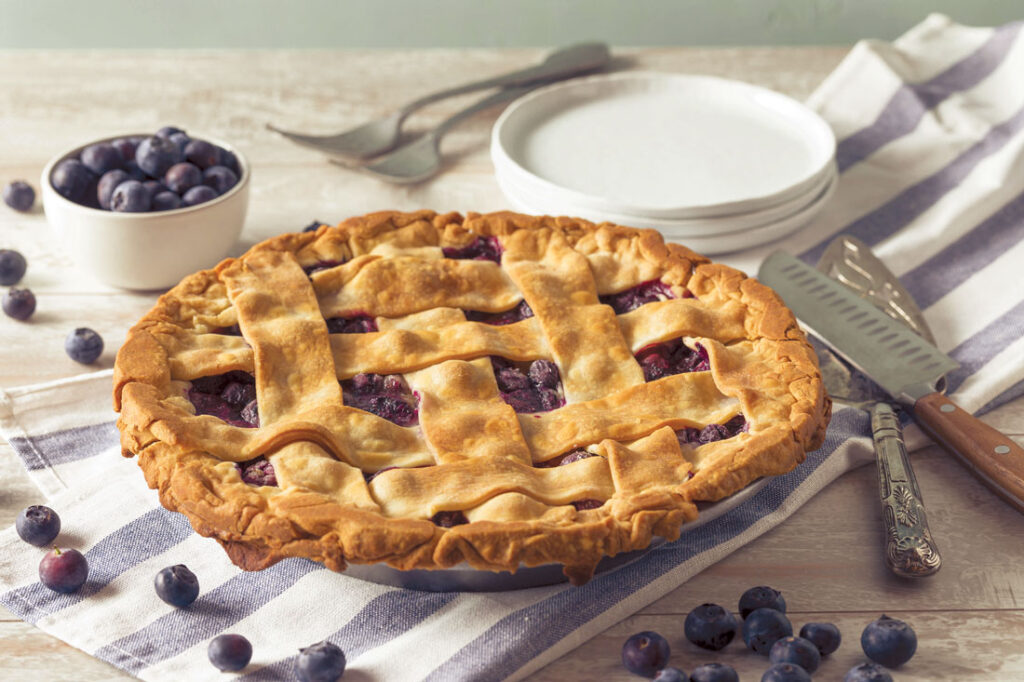
Berries and butter are two fundamental ingredients in a lot of these sweet pies and we wanted to pay homage to our place in pie history by highlighting some local producers whose berries and butter would make excellent pies for our August Pie & Tart Festival.
Dutton Farm
Local Strawberries and Raspberries
Paul and Wendy Dutton started the farm 41 years ago after Paul spent four years working in Michigan on a berry farm and nursery. Wendy managed the stand and business aspects of the operation, while Paul worked in the fields. To this day, the farm remains a family endeavor as Paul and Wendy now work together with their children, George, Joseph, Sam, and Lily, to keep the farm running and thriving.
Lost Mile Farm
Local Blueberries
Tim Hayes and Pam Bullock own what is now Lost Mile Designs, a creative studio that is situated on a piece of upland paradise originally “settled” by Revolutionary War soldier Thomas Betterly. The Betterly family lived, worked, and expanded this 1,000+ acre hill farm for five generations, though it eventually fell into disrepair. Tim’s parents acquired the property and went to work clearing, building barns and sheds, setting fences, renovating the main house and planting asparagus, raspberries, and highbush blueberries. Tim and Pam still farm the land a bit and create beautiful art on the property.
Scott Farm
Local Blueberries
Scott Farm is renowned for their apples. If you aren’t already familiar, check them out online and read through their heirloom apple catalog. You will be entertained for some time! They also dabble in other fruits, including blueberries, which we start getting here at the Co-op in July and we continue stocking as much as we can until the end of the season. Of course, using their beautiful apples for pie is a lovely idea, as well.
Ploughgate
Local Butter
Marisa Mauro landed on an historic picturesque hilltop farm in the Mad River Valley in 2012. Inspired by the landscape and the opportunity to explore dairy further, Marisa took Ploughgate into a new chapter—cultured butter! At the time there were not many producers making small-batch butter. It was important for Marisa to focus on the old-school craft of cultured butter. Most producers utilize machines from beginning to end, while at Ploughgate they use their hands at nearly every step.
Cabot
Local Butter
In 1919, 94 families from Cabot, Vermont, formed a cooperative to ensure their livelihood, and that business grew more than anyone could have predicted. Cabot products are sold very widely now and we are proud of this Vermont company for continuing to offer high quality dairy products. While Cabot is now known for its cheese, butter was actually produced from the beginning of operation, while cheese wasn’t offered for sale until 1930.
Vermont Creamery
Local Butter
Allison Hooper, of Vermont Creamery, started making cheese in 1980 and she and Bob Reese embarked on many dairy experiments from then on. Their involvement in butter is recorded in their history: “1998: Bob and Allison spot a butter churn on the side of the road and make an offer. VC is the first American company to make French-style cultured butter,” which is an incredible way to become a top butter producer.
Written by Sarah Galgano