Community Partner Spotlight: Interaction
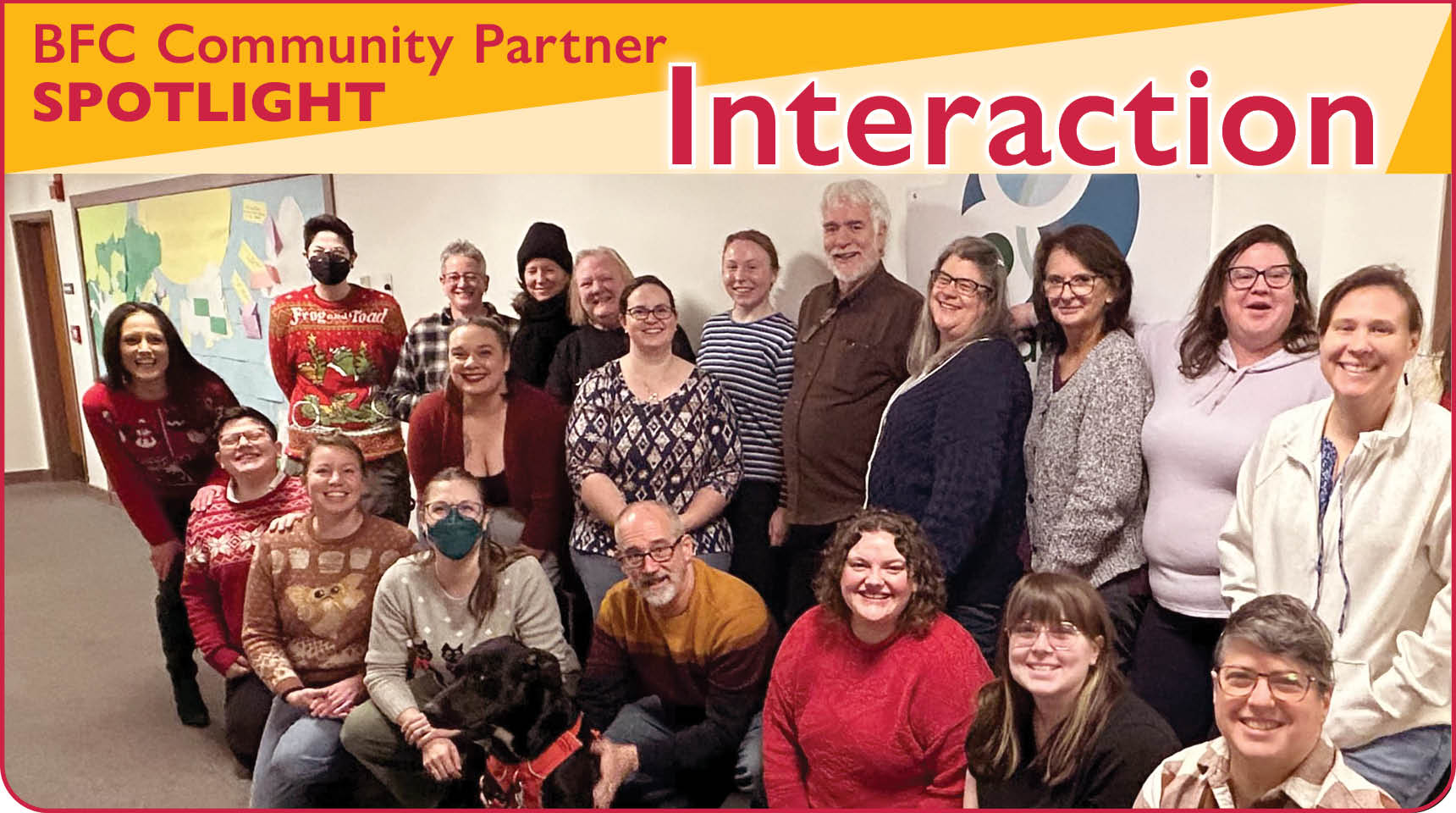
Not One at the Expense of the Other
When Kaci Viado of Interaction (formerly Youth Services) and I sat down over Zoom recently, one of the first things I asked her was “What are the most rewarding aspects of what you do?” and without missing a beat, Kaci started talking about how proud she is of the growth people experience over the short time she works with them in her role on the Restorative Justice Team.
I was struck by the deep sense of compassion that seemed to infuse all of Kaci’s answers. There was no anger in how she spoke of folks who have hurt others. So often when I hear people talk about those who have wronged others, I hear a desire for a “return to sender” model of justice, and that desire makes a lot of sense, but what I see from Interaction is different.
Interaction serves both youth and adults through restorative justice, behavioral health services, conflict resolution, and community-based support programs rooted in connection and accountability. This looks like working with people at many different points in life, from supporting young people with independent living skills and housing to working with adults navigating mental health challenges, first-time offenses, or reentry after incarceration. Sometimes the people with whom Interaction works have been referred by the criminal justice system, but other times they are self-referred or referred by loved ones. Interaction is just as much for everyday conflicts as it is for extreme situations. At the heart of the work is the belief that relationships are the intervention, and accountability means choosing to stay in relationship.
There’s this beautiful “both/and” about Interaction. The Restorative Justice team at Interaction steps into peoples’ pain and acts as a peacemaker. They advocate for the rights of harmed parties as well as the rights of those who have caused harm. They place themselves in the thick of conflicts with the goal of making our community more safe, connected, and empowered, even in difficult and painful circumstances. They do their best to make sure that harmed parties have what they need to move forward with the necessary support and to make sure those who have caused harm have opportunities that will enable them to grow and repair what they have done —not one at the expense of the other.
Ultimately, Interaction is about filling in the gaps so everyone in our community gets what they need in order to stay in our community; it’s about being good neighbors.
Here are some ways you can get involved at Interaction (listed from least to greatest time commitment):
- Every now and then
- Volunteering with Interaction’s annual golf tournament or spring appeal
- Once a month (2 to 2.5 hours)
- Restorative justice panels
- Joining a group of community volunteers and staff
- Work with people referred by court system
- Restorative justice panels
- High involvement (weekly)
- Circles of Support and Accountability (COSA) program
- Meets weekly with someone who was released from incarceration to support them for their first year after being released
- Circles of Support and Accountability (COSA) program
Lastly, I’ll leave you with Kaci’s three action steps anyone reading this can take to help our neighbors:
- Talk to your neighbors!
- We all share common ground of living in the same area. Find one thing that you have in common, then loop in another neighbor with that one thing that is shared
- Make connections to other people to create webs of community
- Remember the ways that we’re all connected and how everything we do ripples out
Contact Interaction at:
802-257-0361
To log any hours you’ve volunteered, please fill out this brief form to receive a 5% discount at the register.
Written by Orion Stange