We strive to minimize our ecological footprint by engaging in practices that protect, preserve, and restore the environment while prioritizing partnerships with suppliers who share this commitment. Our operations emphasize conserving natural resources, reducing pollution and waste, and mitigating greenhouse gas emissions through clean technologies, energy efficiency, sustainable sourcing, and waste reduction efforts. We also work to build climate resilience across our operations and supply chains by strengthening our ability to adapt to climate-related disruptions.
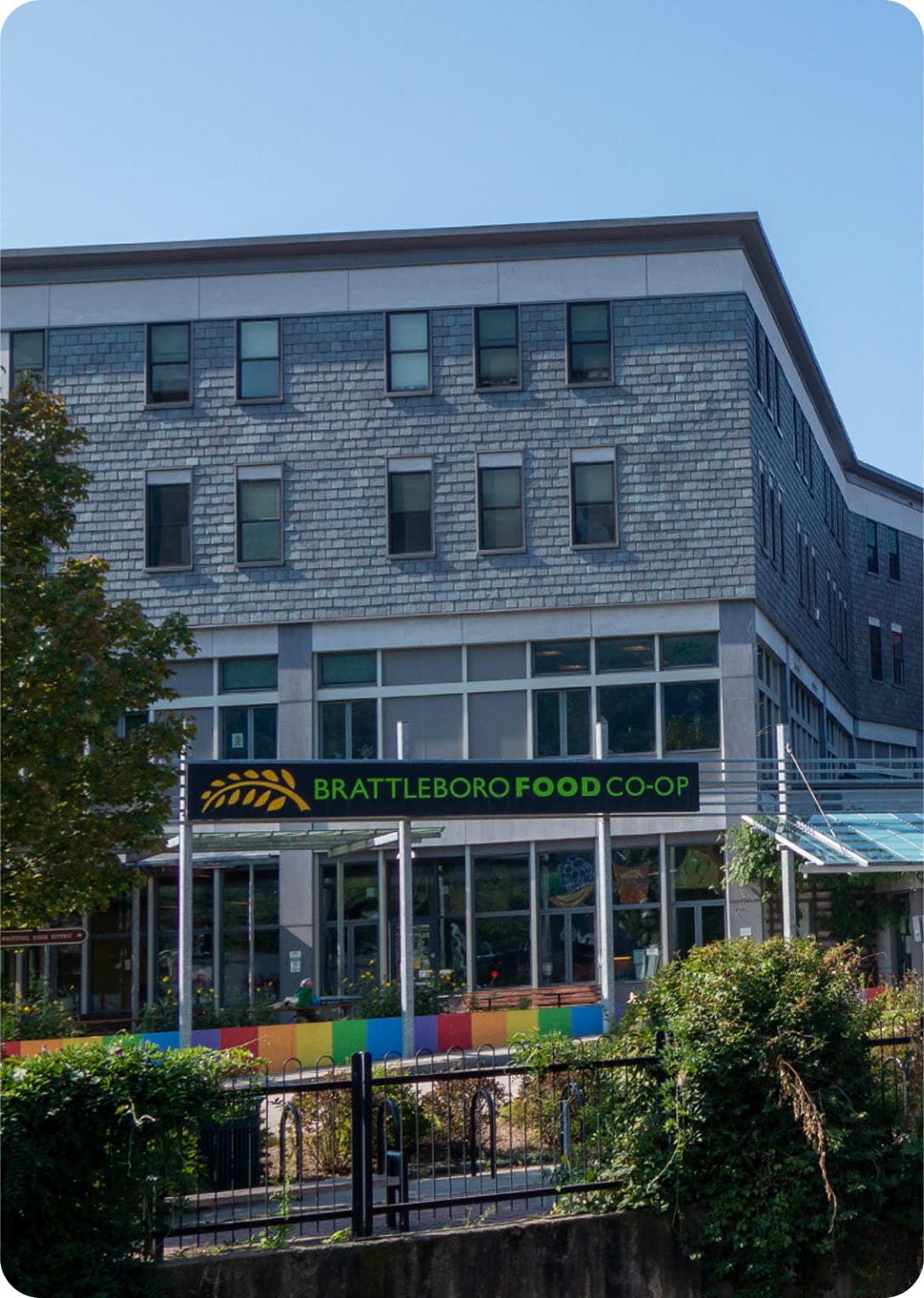
The insulation levels are specified with a minimum R-25 at the walls, R-40 roof system, and R-20 at the foundation and slabs.
All windows are triple-glazed with fiberglass frames to minimize heat loss.
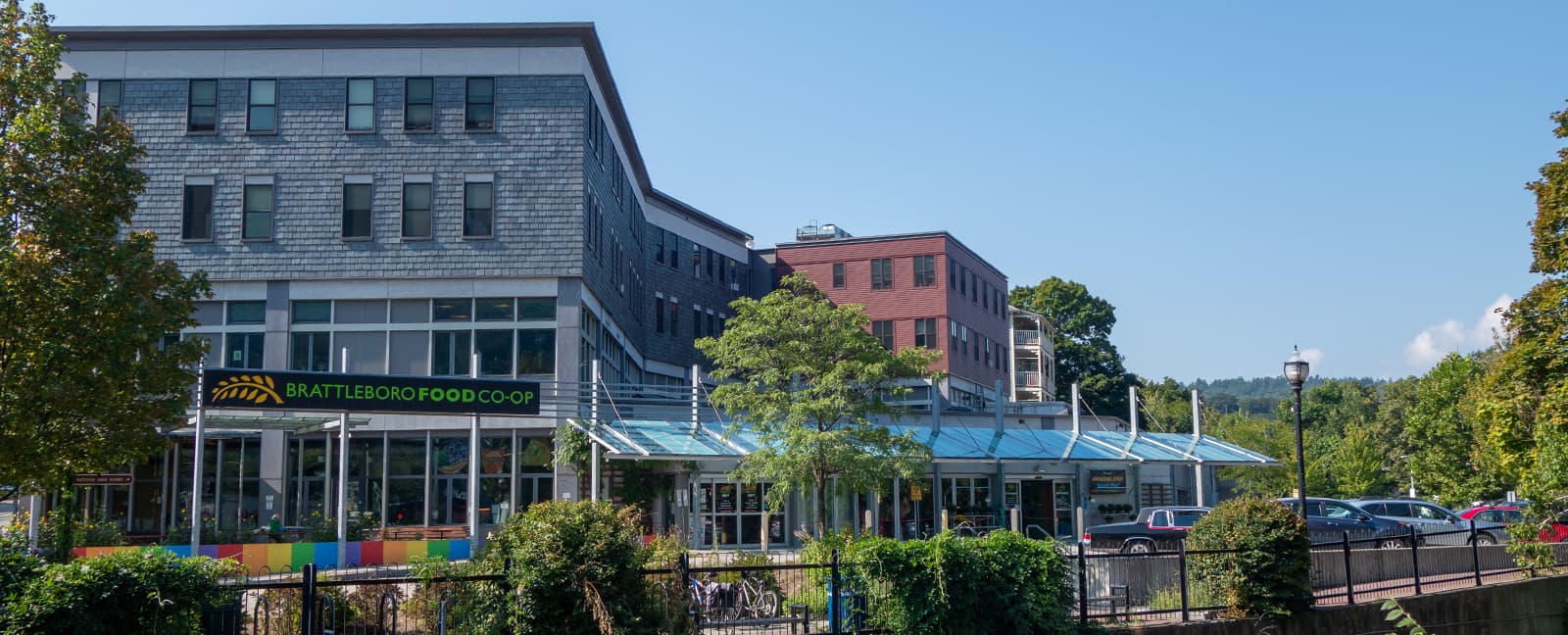
There is a green roof over a part of the store, while the rest of the roof has been set up structurally to be retrofitted with a green roof as funds become available. Green roofs reduce the “urban heat island” effect, help cool the building in the summer, and mitigate stormwater runoff by absorbing and slowing roof rainwater.
The building is partially clad in slate siding, a natural, durable, local Vermont product. It has better energy performance than brick and also reduces the structural steel requirements, which is both cost-effective and uses fewer resources and less embedded energy in the production of the steel.
Building finishes were the latest in recycled, natural, durable, and eco-friendly products available on the market.
The floors are polished concrete, a natural, durable, and maintenance-free product that will not require solvent-based cleaners or sealers.
All ceramic tiles in the store are made from 100% recycled products.
All the counter surfaces in the store are made of a solid surfacing product made from 100% recycled paper and locally fabricated in Springfield, VT.
The electrical system and the roof’s structure were set up for the eventual addition of a solar-powered photovoltaic array to produce electricity. This project will eventually come online through a collaborative project with Co-op Power from Greenfield, MA.
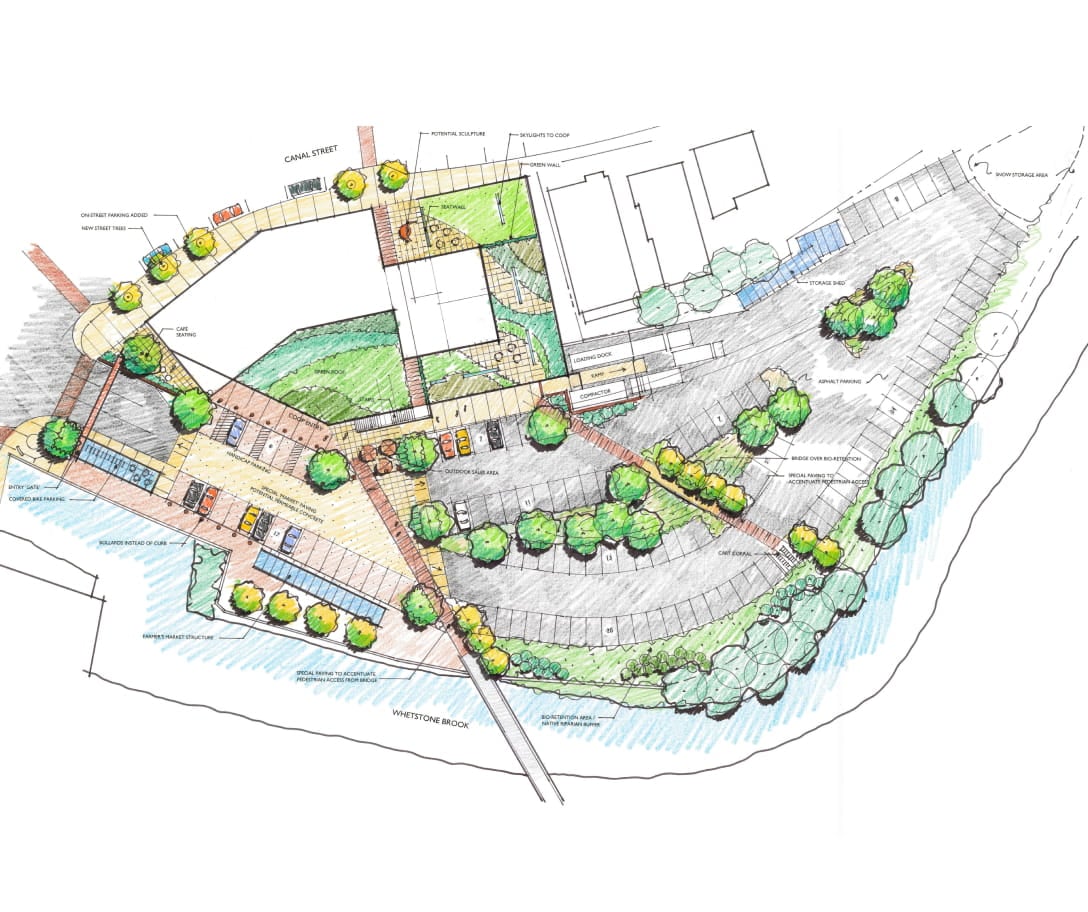
The site plan was designed to reduce negative environmental impacts.
In 2026, the Co-op will have a brand new refrigeration system. With the help of grants from the USDA’s Rural Energy for America Program (REAP) and the Vermont Low Income Trust for Electricity, we will be replacing all coolers and freezers on the retail floor, as well as the equipment servicing the walk-in coolers and freezers behind the scenes. The new system will use natural refrigerants, and will have a minimal impact on our climate emissions.
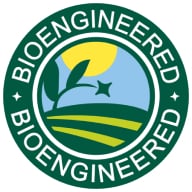
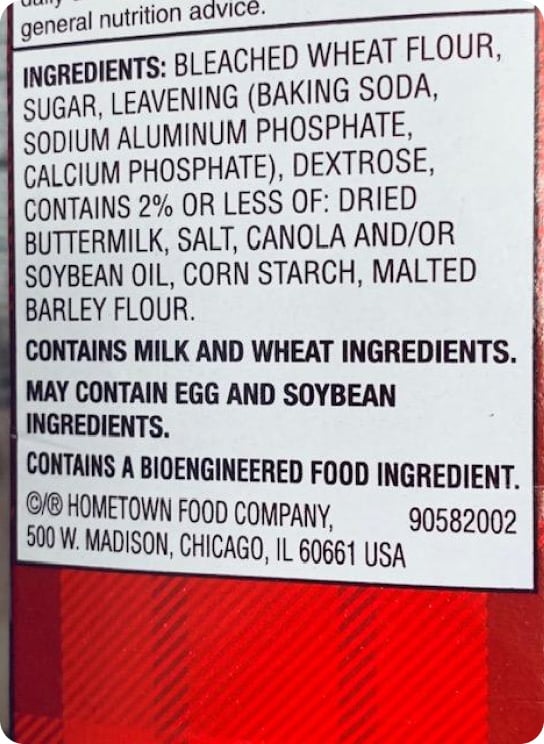
The USDA Agricultural Marketing Service defines bioengineered foods as those that contain detectable genetic material that has been modified through specific lab techniques and cannot be created through conventional breeding or found in nature.
Please visit the “List of Bioengineered Foods” page from the USDA website, where you can view downloadable PDF Data Sheets on each item listed and keep up to date with newly designated foods.
The current USDA list of bioengineered conventional crops includes the following 13 foods:

Organic does not equal Bioengineered.
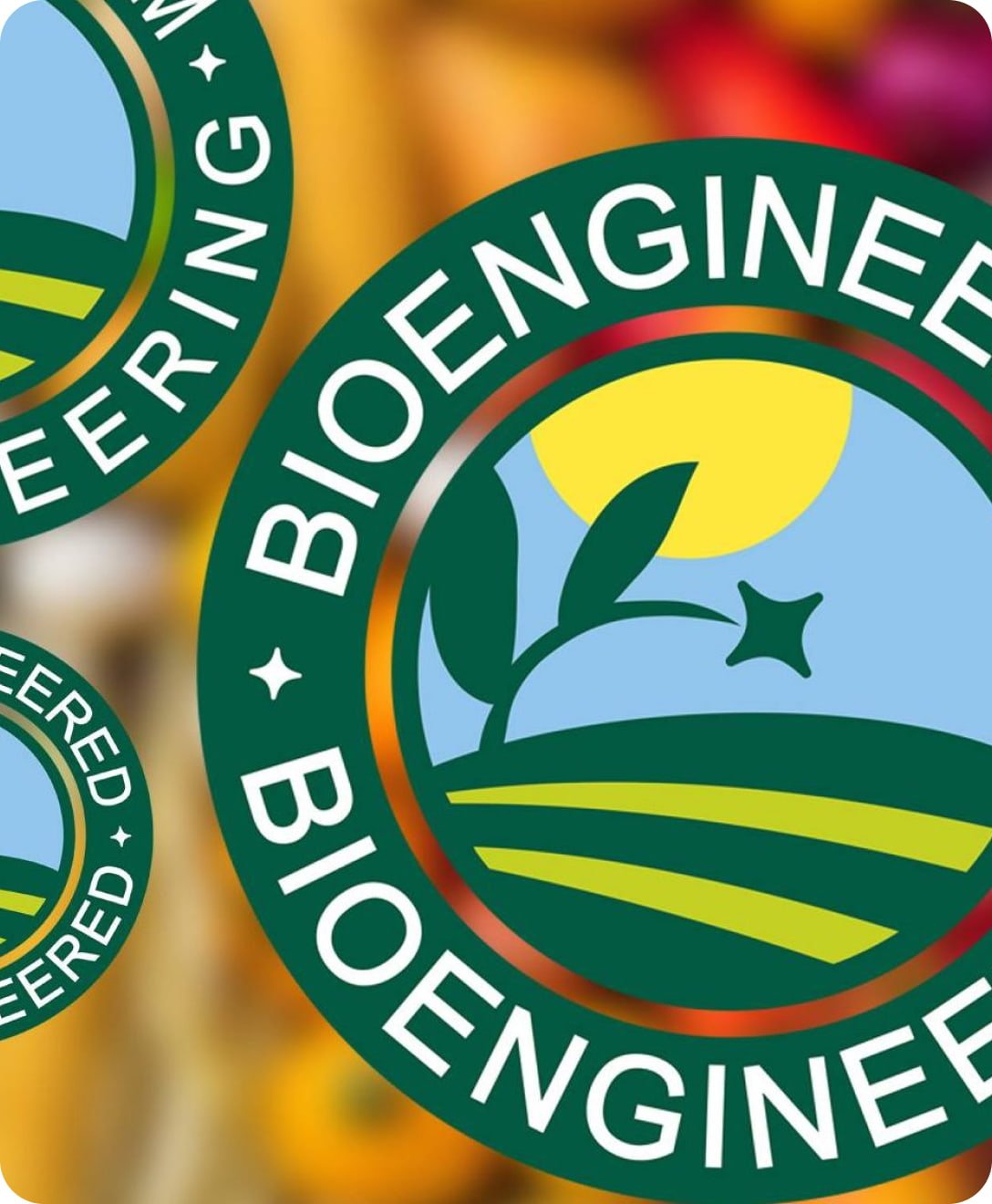
Despite the potential for confusion, USDA offers food companies several ways to legally label bioengineered foods, to be determined at the company’s discretion.
Companies may choose one of the following methods to disclose bioengineering: